Dissecting the Classic Sports Moment
Content Testing
Dissecting the Classic Sports Moment
A ‘March Madness’ Case Study
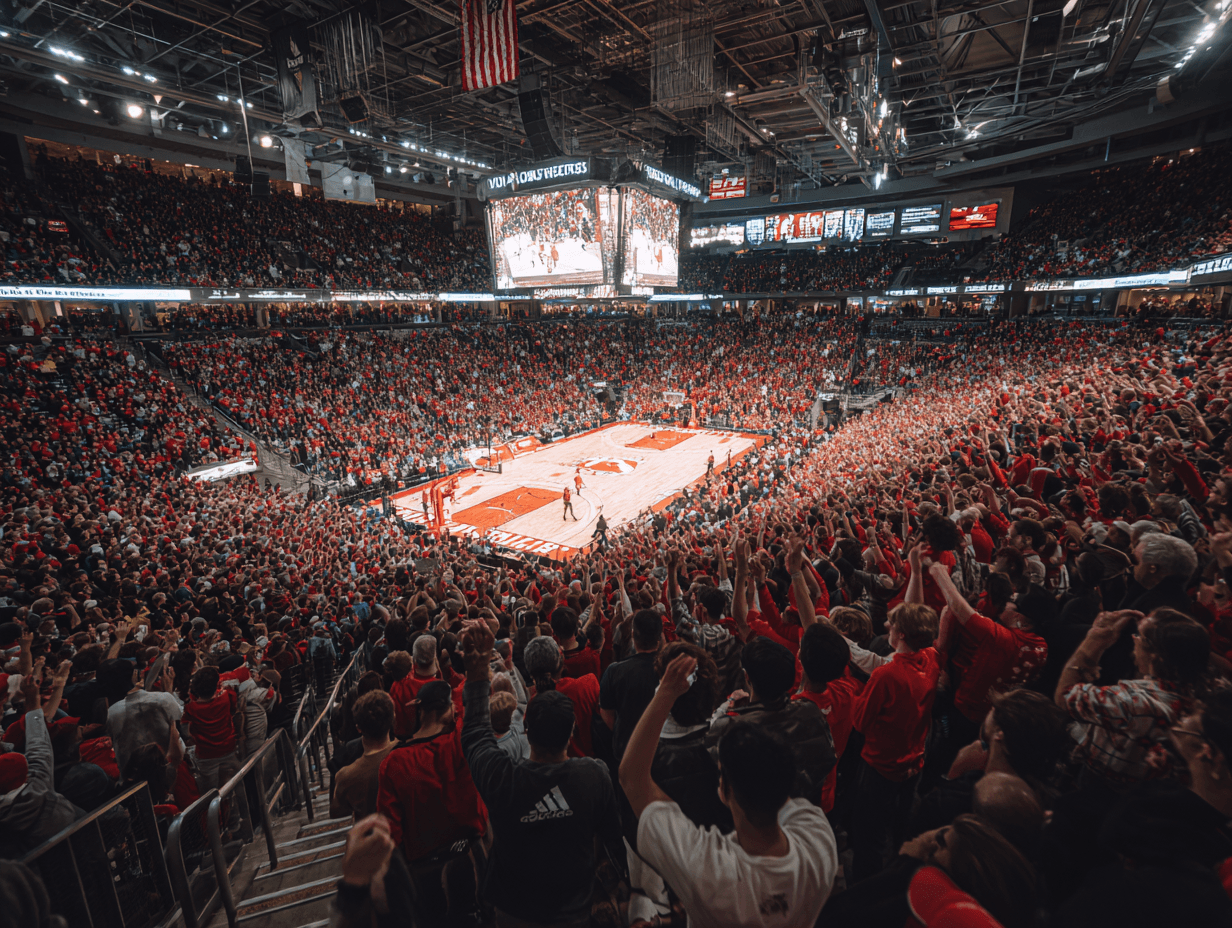
It’s final-four week, and the stage is set for a thrilling end to a thrilling month of college basketball. To understand why sports are so incredibly captivating, one need look no further than the men’s and women’s NCAA tournaments. Each game that the 136 selected teams play is a dramatic win-or-go-home contest in which anything can happen - unfathomable upsets, wild buzzer-beaters, polarizing controversies.
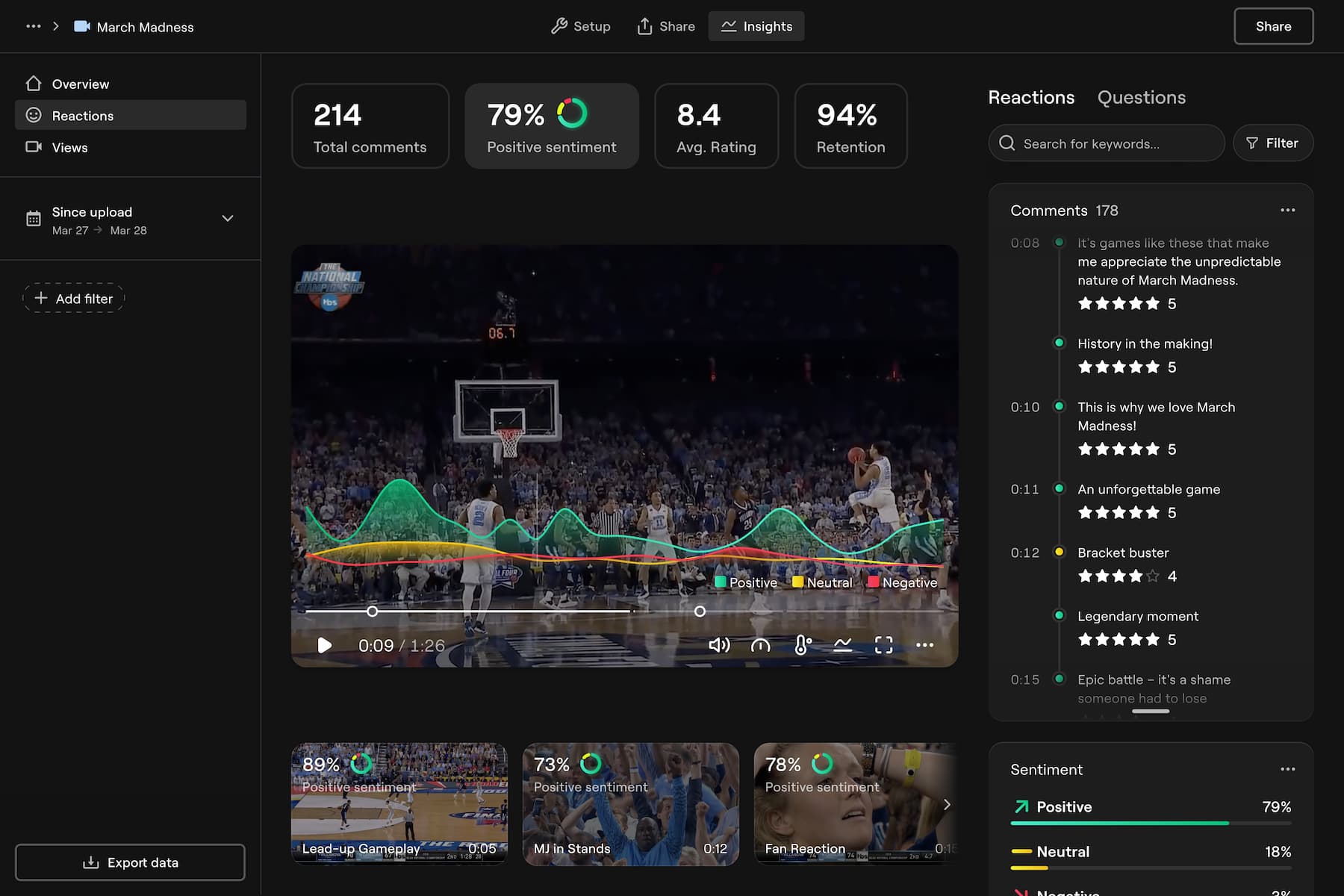
Roughly 10 million people tune in to enjoy what has become known as “March Madness” on television every year in the hope of witnessing one of those classic sports moments that have kept the tournament relevant for over eighty years. But what exactly makes a “classic” moment in televised sports? The team at Latitude executed a case study to explore this question. In this research, we deconstructed and reconstructed the broadcast of the final minutes from a notable NCAA tournament game, and investigated which specific elements were most associated with positive, passionate reactions from fans. The game that we chose was the 2016 NCAA men’s final, in which Villanova defeated North Carolina via an unbelievable 3-pointer as time expired. A sample of 616 basketball fans took part in the study within the Lumiere platform, which enabled them to leave detailed second-by-second reactions to what they were watching. The results below highlight the specific broadcast elements that had the greatest impact in creating a “classic” sports moment.
And now let's tip-off and get into the findings…
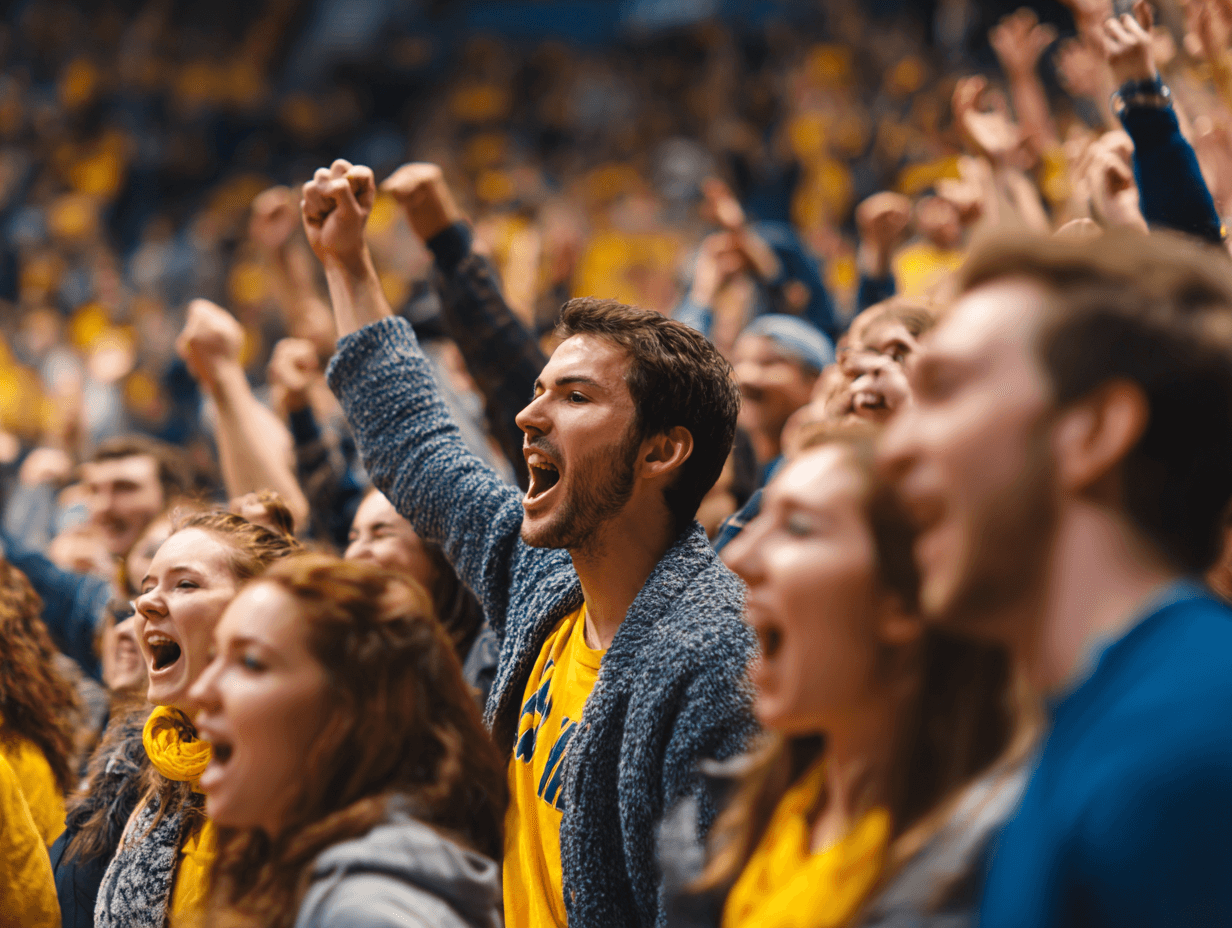

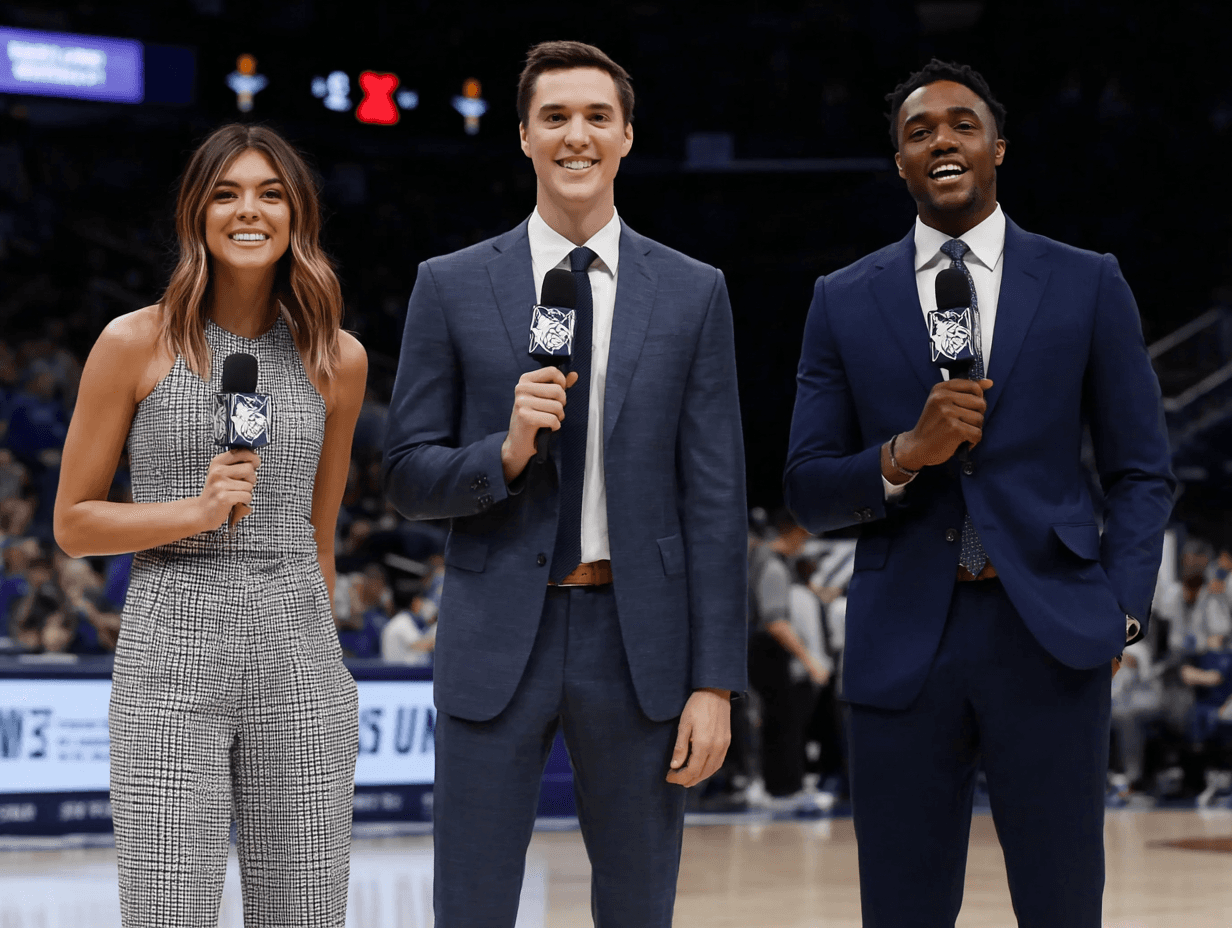
Human drama is at the center of every memorable sports moment. Promoting and executing a successful broadcast goes far beyond simply counting and commenting on the number of times a leather ball passes through a metal cylinder. A sports production succeeds when it captures the unscripted spectacle of winning and translates it into a raw emotional experience that any viewer can appreciate. Research studies like this one provide networks, producers, and advertisers with the data that they need to build the best possible broadcast and create as many “classic” moments as possible.